


Unused brownfield sites with room for 1.2m homes in England, report says
The Guardian reports on a CPRE analysis which found a record number of brownfield sites in England that have been identified for redevelopment and could provide 1.2m homes are lying dormant, according to an analysis. Read the article for more information.
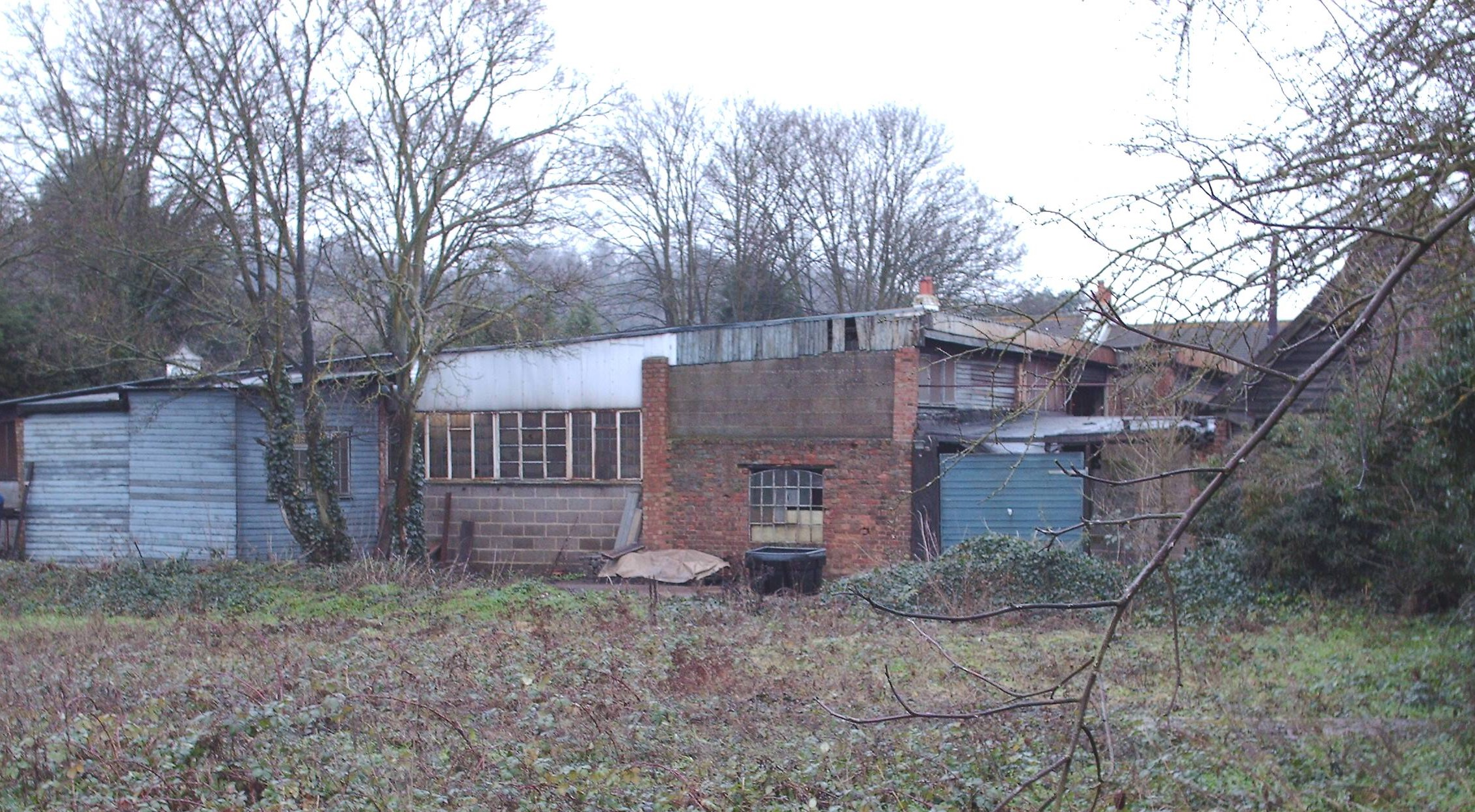
What To Do If You Think Your Land May Be Contaminated?
Contaminated land legally means land that contains substances that could cause significant harm to people, property, or protected species. This also includes land that carries the risk of polluting surface waters of lakes or rivers.
If you suspect your land may be contaminated, you must seek help from a properly qualified environmental consultant. You should also report it to the Environment Agency promptly - a delay in doing so could incur a fine.
Identifying land contamination is the first and arguably most important stage of the assessment process. This is because once contamination has been identified, steps can be taken to mitigate its risks. The second stage of assessment involves characterising the contamination, which helps to determine the extent of the problem and the potential risks involved. The third stage is to assess the risks posed by the contamination, which will help to inform any remediation or mitigation strategies that are put in place.
Finally, the fourth stage is to monitor and review the effectiveness of those strategies over time. All four stages ensure that contaminated land is managed effectively and minimises risks.
When a business or individual acquires land, they are responsible for ensuring that it is free of contaminants. The process of assessing and cleaning up contamination can be complex and time-consuming.
This blog post will explore the different stages of contaminated land assessment in detail.
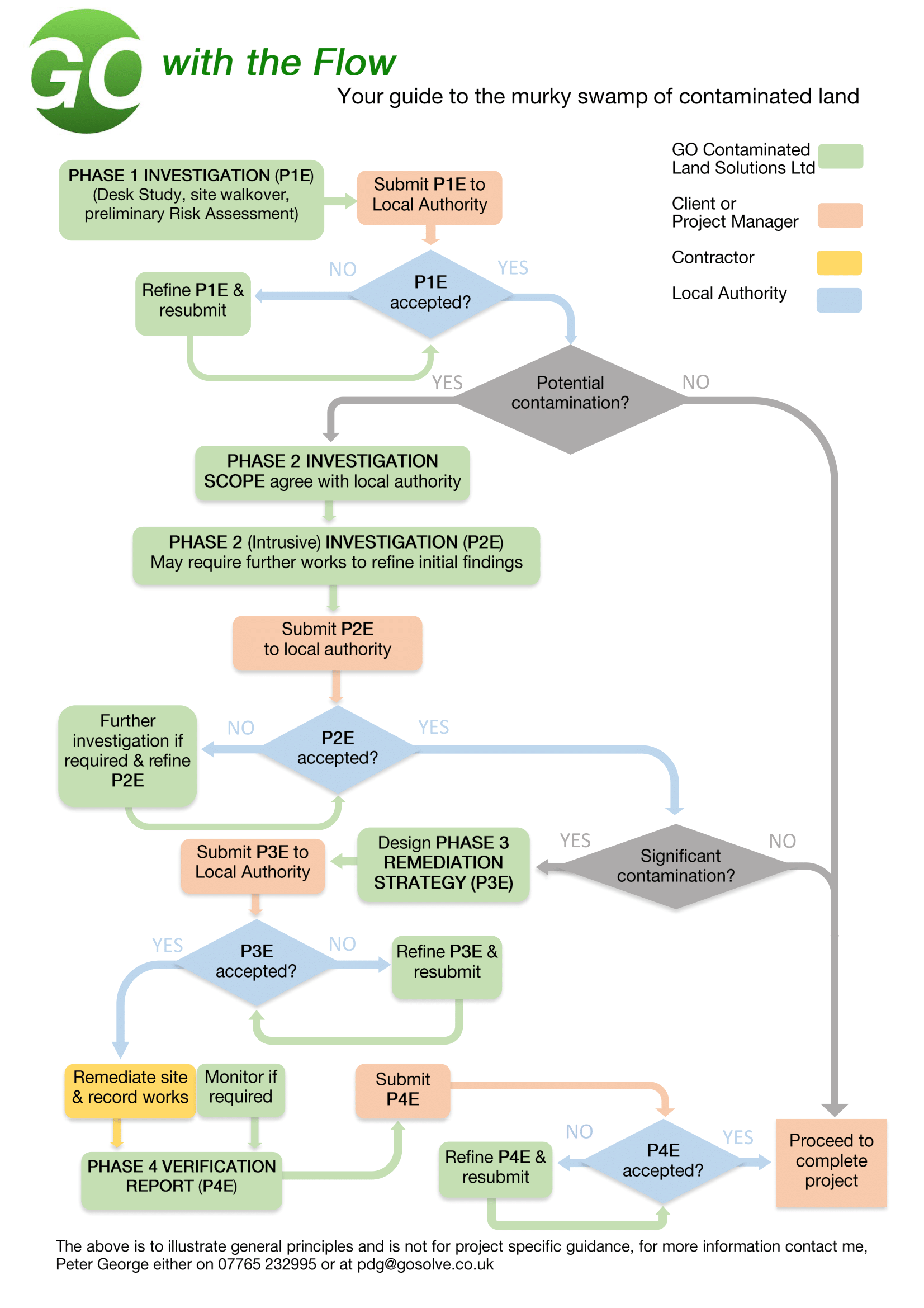
Phase 1: Investigation Stage (P1E)
The first stage of the investigation is to carry out a desk study. This involves gathering data from sources such as historical maps, aerial photographs, and environmental records. This information can help to identify potential areas of contamination.
Once potential areas of contamination have been identified, a site walkover will be conducted. This involves inspecting the site to look for signs of contamination, such as spills or waste dumping.
After the desk study and site walkover has been completed, a risk assessment will be carried out. This will help to identify any areas where further investigation is required.
All of the above steps are not necessarily done in order; you can carry out the process in parallel or as it suits you.
Once phase 1 is done, you can submit it to the local authority, and if accepted, you can proceed to phase 2. In case of non-acceptance, you will need to refine your phase 1 investigation and submit it again.
In case there is no contamination found, you can proceed with the completion of projects, and no further steps are required.
Phase 2: Detailed Investigation Stage (P2E)
The second stage of the investigation is to carry out a detailed investigation. This involves carrying out intrusive investigations to gather data on the contamination's nature, extent, and risk.
After the detailed investigation has been completed, a report will be prepared that outlines the findings. This report will be used to develop a remediation strategy.
Once the type and extent of contamination have been identified, a clean-up plan can be developed. This may involve the removal of contaminated soils or the treatment of contaminated water.
Phase 3: Remediation Stage (P3E)
The third stage of the process is to carry out site remediation. This involves removing or treating contaminated soils, water, or air. The type of remediation that is required will depend on the type and extent of the contamination.
Once the remediation has been completed, the site will be monitored to ensure that the contamination has been successfully removed. Monitoring may involve the regular testing of soil, water, or air samples.
Remediation of contaminated land can be a complex and time-consuming process. However, it is essential to protect the environment and human health. You should seek professional advice if you suspect that your land may be contaminated.
Phase 4: Verification Reports (P4E)
The final stage of the process is to prepare verification reports. These reports will confirm that the remediation has been successful and that the land is safe for its intended use. Verification reports are typically prepared by independent consultants.
Contaminated land assessment is a complex process that involves several steps. However, it is essential to protect the environment and human health. You should seek professional advice if you suspect that your land may be contaminated.
The Bottom Line
Land contamination is a serious problem that can have devastating consequences. Understanding the stages and importance of conducting a contaminated land assessment is therefore critical for anyone involved in property development or redevelopment. Thankfully, there are professionals and companies like GO Contaminated Land Solutions who specialise in this field and who can help you ensure that your project does not end up being a disaster.
What is Contaminated Land?
The answer to this is not as straightforward as you might imagine; it rather depends on who is asking and why they are asking. So let us consider the who or why:
- The local authority or the Environment Agency consider the site is potentially contaminated
- A contaminated land condition has been attached to your planning application
- You are considering buying some land
- You have a plot of land and now you want to use it as an allotment
Let’s consider each of these in turn.
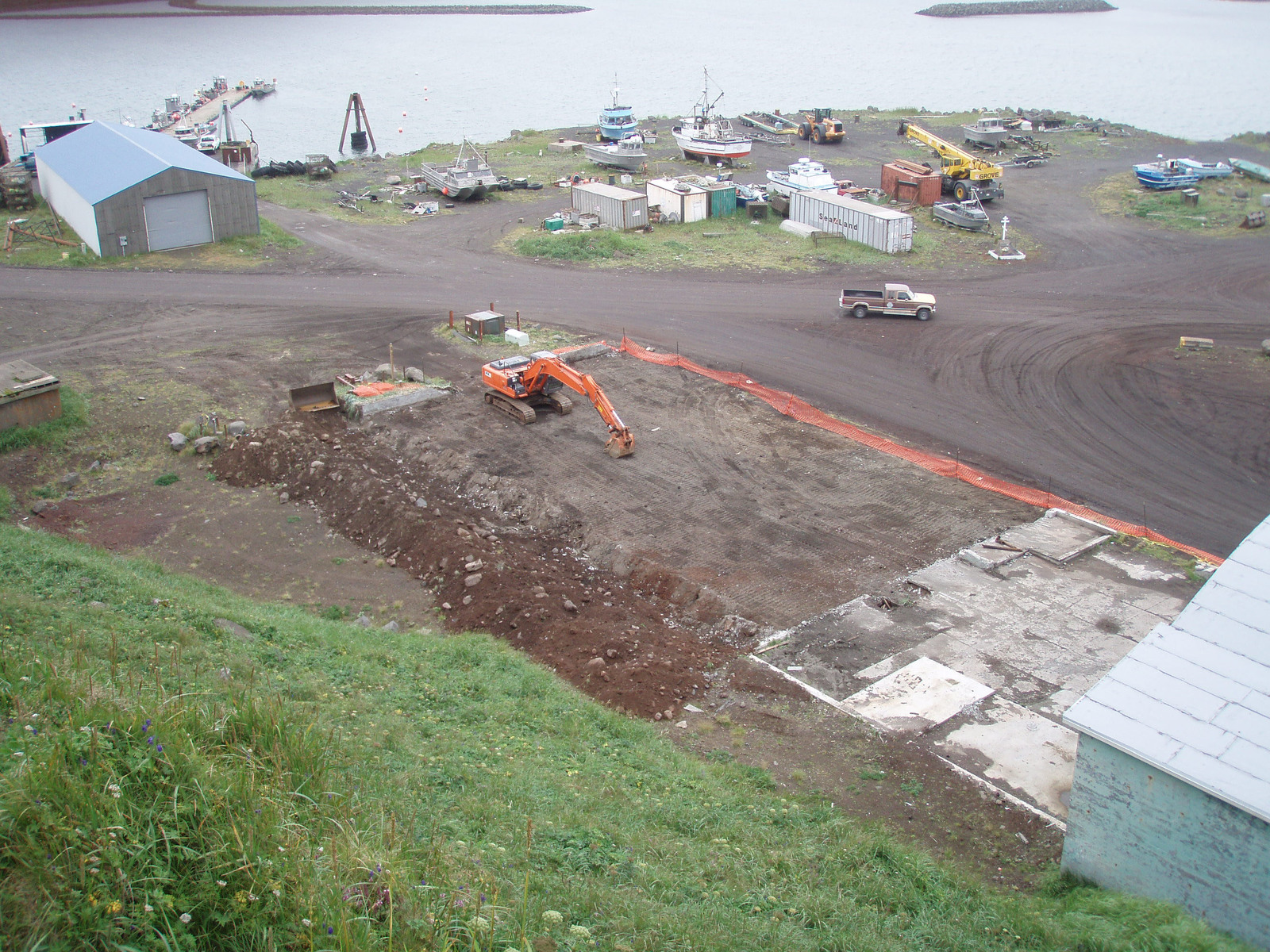
If the local authority or the Environment Agency consider the site is potentially contaminated, they are using the definition in the Environmental protection Act 1990: Part 2A.
Section 78A(2): “contaminated land” is any land which appears to the local authority in whose area it is situated to be in such a condition, because of substances in, on or under the land that – (a) significant harm is being caused or there is a significant possibility of such harm being caused, or (b) significant pollution of controlled waters is being caused, or there is a significant possibility of such pollution being caused;
Put simply, is there something on or in the land that can reach and harm someone or something? The onus is on the local authority or the Environment Agency to demonstrate that harm or the significant possibility.
If a contaminated land condition is applied to a planning application, it is because the local authority considers there may be a risk from the land due to the proposed development or use of the land. Here the onus is on the applicant to demonstrate that there is not an increased risk to anyone or anything from contamination.
If you are considering buying some land, either you or your solicitor should as a minimum, obtain an on-line search from a company such as Landmark or Groundsure. If this report indicates that there is potential contamination, then you should ask a suitably qualified consultant for advice. If you buy contaminated land you could end up being responsible for clean-up costs.
If you are considering making a plot of underused ground into an allotment you are going to be working the soil, getting dirty, creating dust and hopefully eating some of the produce. This will open up new ways in which any contaminants present can cause harm. As a minimum some soil testing should be undertaken to enable an assessment of risk to be made.
Team Building and Community Day at Sydenham Garden
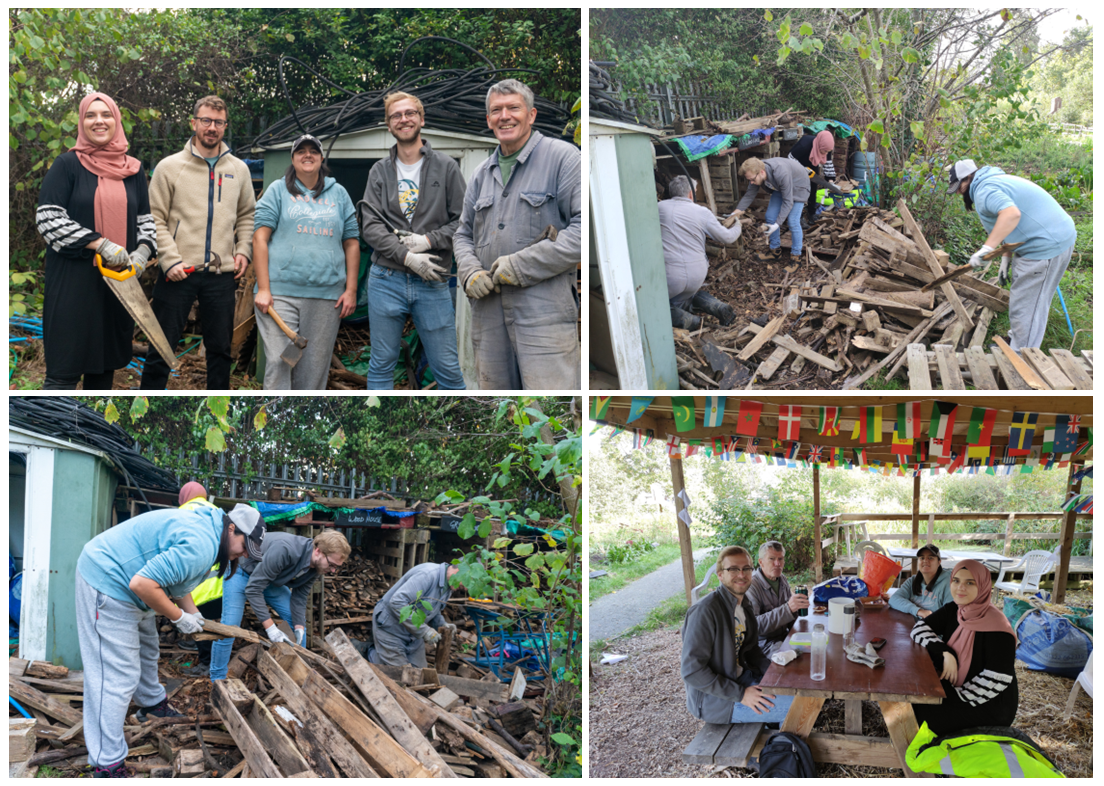
It was great to go back for a third time supporting Sydenham Garden at one of their sites. Thank you to the team who worked extremely hard on the essential task of rebuilding and restocking the wood store ahead for winter. This has been a great team building activity and giving back to the community. It is great to hear about the work being done and to contribute to this very worthwhile project. Thank you to Peter, Matt, Davina, Ed, and Azra. See pictures from the day below.
Sydenham Garden do an amazing job supporting people with mental ill-health in South London. Using horticulture for therapy and rehabilitation at their community gardens, providing training, using art as creative expression, working to protect and preserve the environment as well as selling some of their produce. If you would like to know more about Sydenham Garden, please see link below.
https://www.sydenhamgarden.org.uk
The ACE has written to the Chancellor ahead of the Autumn Statement
The Association for Consultancy and Engineering has written to the Chancellor ahead of the Autumn Statement on Thursday. See link below.
https://acrobat.adobe.com/link/review?uri=urn:aaid:scds:US:15ba71b6-9ed2-422e-80ea-82262b7502ff
Brownfield Fund to Help Transform Derelict Sites into New Homes
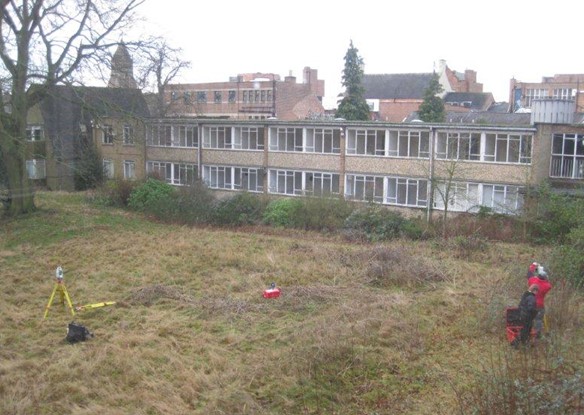 The new brownfield fund opens the potential for derelict brownfield sites across England will be transformed into thousands of new homes
At the Spending Review 2021, the Chancellor announced a £1.8 billion package of investment to regenerate communities and level-up the country, unlocking new homes on derelict and underused brownfield land. Up to £180 million Brownfield Land Release Fund (BLRF2) capital grant funding is available to all constituent English councils over a three-year period to support the release of council-owned brownfield land for housing.
Councils are now able to apply for a share of the brownfield land release fund 2 with the first £40m available to bid for from 8 July to support regeneration projects. A further £140m will be allocated over the next two years.
Under the first brownfield land release fund £77 million was allocated to councils across the country releasing brownfield sites for over 7,500 new homes.
The funding will be administered through One Public Estate (OPE), a partnership between the Office of Government Property in the Cabinet Office (OGP), the Local Government Association (LGA) and the Department for Levelling Up, Housing and Communities (DLUHC).
Councils have until 19 August 2022 to submit applications via the designated accountable body of their local OPE Partnership.
Nutrient Neutrality Impact on Housing Delivery
The adverse impact of over production of nutrients is something we have known about for a long time, unfortunately there has been little coordinated action to address the matter. As my grandmother would have said “A stitch in time saves nine”, I suspect there are some who feel that on this issue we long ago passed the point where nine stitches were going to do the job but to use another we worn phrase, better late than never.
The Local Government Advisory Service says: “A growing number of local planning authorities have learned from Natural England that development in some catchments cannot proceed if it increases levels of nutrients. Their advice is that development can only proceed if it is “nutrient neutral”. We’re starting a new programme of work to support the latest cohort of councils learn from the experience of councils before them.”
A DfERA policy paper, Nutrient pollution: reducing the impact on protected sites, Published 16 March 2022, notes: “Nutrient pollution is a particular problem for our freshwater habitats and estuaries. Increased levels of nutrients (especially nitrogen and phosphorus) can speed up the growth of certain plants, disrupting natural processes and impacting wildlife. This process damages water dependent sites, harming the plants and wildlife, and affects the oxygen carrying capacity of the water. In technical terms it can put sites in ‘unfavourable condition’. The sources of excess nutrients are site specific, but predominantly originate from wastewater treatment works and agricultural pollution.”
Clearly this is an issue that housebuilders must consider at the earliest stages of planning to ensure that it can be adequately address. It is likely that ever more areas of the country will find that they are impacted by this requirement to achieve nutrient neutrality. As of March 2022, a further 42 local authorities are now affected, making a total of 74 since 2020. In the context of housing need, this is an issue which could have significant and long-running implications. The Home Builders’ Federation (HBF) has published research suggesting that due to this issue up to 100,000 homes are currently delayed.
Co-Living Scheme Coming to Battersea
We are delighted to be providing advice to Dandi Living on contaminated land for another project.
Property Wire reports: “Located on a quiet road surrounded by residential houses and apartments, Dandi Battersea benefits from being within walking distance to Clapham Junction and Wandsworth Town train stations, as well as the local amenities of the surrounding area. The site, which is almost 16,000 sq.ft., is currently sitting vacant, so the cash injection will help breathe new life into the surrounding area.” Read more
Image
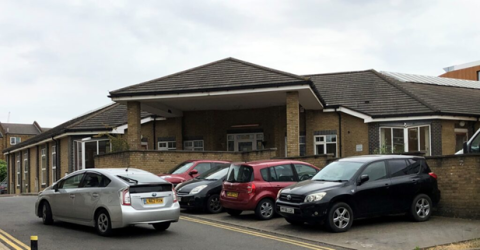
Current vacant building
Is UK Landfill Tax Benefitting the Environment or Just the Exchequer
An interesting article by Steven Porter and Sam Wardleworth of Pinsent Masons makes the case that:
There are several areas in which the law governing landfill tax in England and Northern Ireland could be clarified so that the tax better supports the government’s environmental objectives, including achieving zero avoidable waste by 2050.
Former MoD Site in Surrey
Exciting to see the first phase of this residential development approach completion. We have been on site regularly from early on and have just completed verification for the first phase.
Image
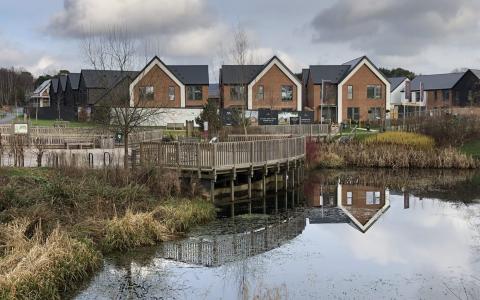
Here looking from an area of public realm towards the site.